
Site Planning & Preparation for Oncology & Radiotherapy Systems
Successful installation of radiotherapy equipment begins long before the equipment arrives at the facility.
Linear accelerators and other oncology systems require carefully planned treatment environments with appropriate structural capacity, electrical infrastructure, cooling and ventilation, network connectivity, equipment access routes, radiation shielding, and safety systems.
Our Site Planning & Preparation services support healthcare facilities during the preparation of new radiotherapy departments as well as the renovation or adaptation of existing treatment areas.
The objective is to identify technical requirements at an early stage, coordinate the infrastructure with the selected equipment, and prepare the treatment area for an efficient installation and commissioning process.
Pre-Installation Site Assessment
Before the installation of a linear accelerator or other radiotherapy equipment, the proposed installation area should be evaluated against the technical and infrastructural requirements of the selected system.
A pre-installation site assessment helps identify potential structural, electrical, mechanical, environmental, logistical, and radiation protection requirements before equipment delivery.
The assessment may also include equipment access routes, room dimensions, installation clearances, technical areas, control room requirements, cable routes, HVAC infrastructure, electrical capacity, network connectivity, and other site-specific requirements.
Identifying these requirements before installation can help prevent construction modifications, installation delays, and unnecessary downtime later in the project.
Assessment Scope
- Evaluation of the proposed installation area
- Review of treatment room dimensions and layout
- Equipment positioning and installation clearances
- Structural and floor requirements
- Equipment delivery and access route evaluation
- Electrical infrastructure assessment
- Cooling and HVAC requirements
- Network and communication infrastructure
- Cable routing and service penetrations
- Control room and technical area requirements
- Radiation protection requirements
- Identification of potential site-related installation risks
The findings can be used to establish a technical preparation plan before equipment installation begins.
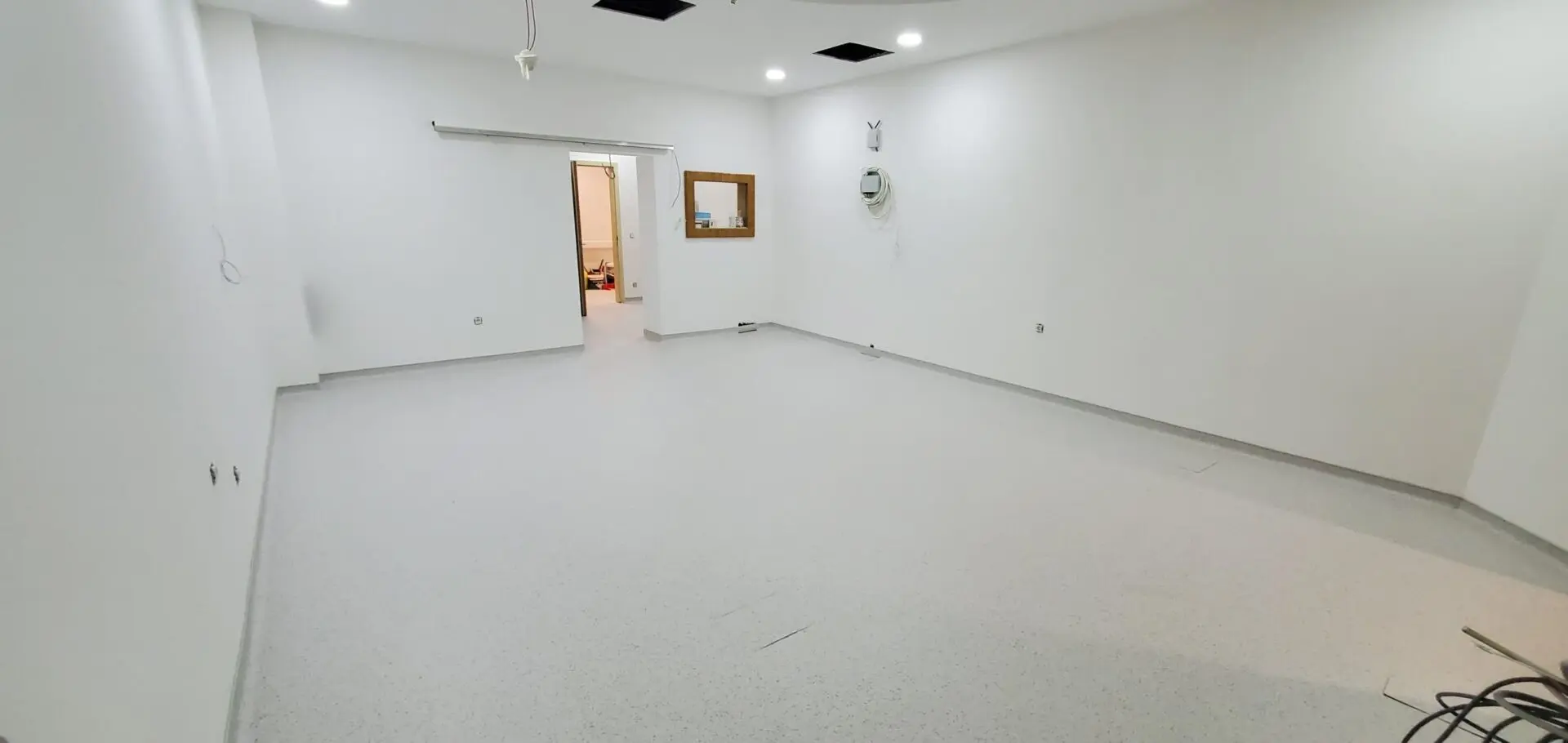
Radiotherapy Room Preparation
Radiotherapy treatment rooms are specialized clinical environments designed around both the technical requirements of treatment equipment and radiation safety requirements.
Room preparation should therefore consider the complete operational environment rather than only the physical space required by the linear accelerator.
Depending on the equipment and project requirements, preparation may include treatment room layout, equipment positioning, base frame and foundation requirements, control room preparation, technical areas, cable channels, electrical distribution, HVAC systems, lighting, communication systems, safety interlocks, and equipment access routes.
Particular attention should also be given to future maintenance and component replacement. Sufficient access around the equipment and appropriate service routes can simplify future technical interventions.
Room Preparation Scope
- Treatment room layout planning
- Linear accelerator positioning
- Equipment installation area preparation
- Base frame and foundation preparation
- Control room preparation
- Technical and service area planning
- Cable tray and cable channel preparation
- Electrical connection points
- HVAC and ventilation preparation
- Equipment cooling requirements
- Lighting and communication systems
- Safety system preparation
- Equipment access and transportation routes
- Service and maintenance access planning
The objective is to create a treatment environment that is technically prepared for installation while supporting safe and efficient long-term operation.
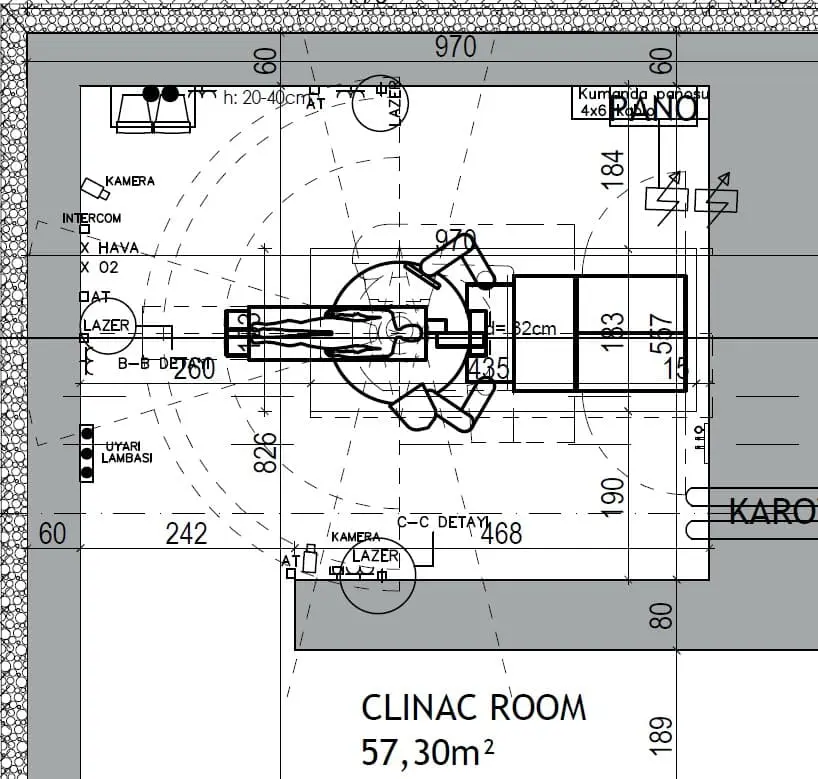
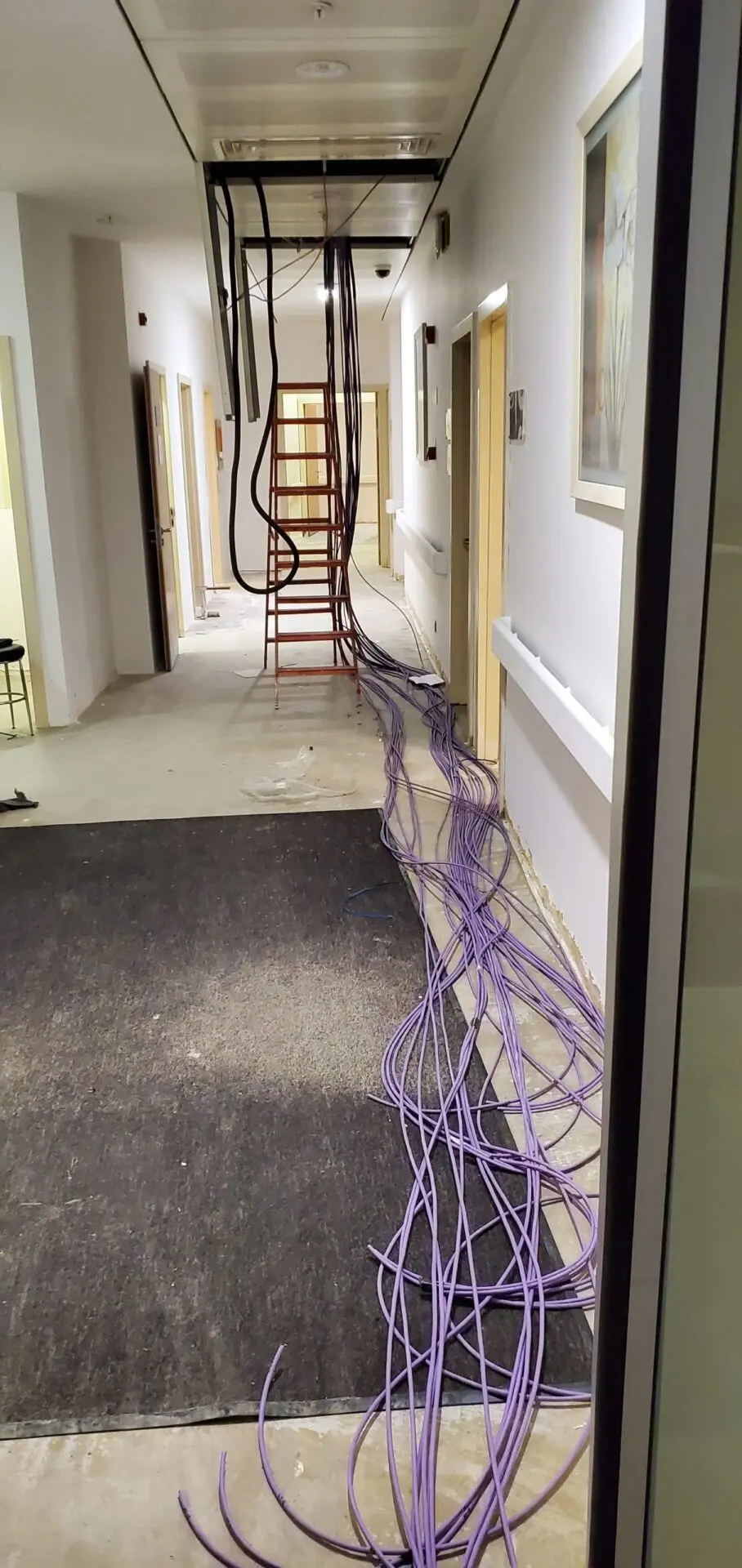
Infrastructure Preparation
Linear accelerators and modern oncology systems depend on multiple infrastructure systems operating together reliably.
Infrastructure preparation therefore requires coordination between electrical, mechanical, structural, IT/network, cooling, safety, and equipment installation requirements.
Electrical infrastructure should be planned according to the selected equipment configuration and manufacturer requirements. Appropriate power distribution, grounding, protection systems, emergency power arrangements where required, and dedicated electrical connections should be considered during project planning.
Cooling and HVAC infrastructure should be designed to maintain the environmental conditions required by the equipment and associated technical areas.
IT and network infrastructure may also be required for treatment planning systems, Oncology Information Systems (OIS), imaging systems, data transfer, remote technical support, and other connected oncology technologies.
Infrastructure Scope
- Main electrical infrastructure
- Dedicated equipment power connections
- Electrical distribution and protection
- Grounding and equipotential bonding requirements
- UPS and emergency power planning where required
- HVAC and ventilation infrastructure
- Equipment cooling systems
- Chilled water requirements where applicable
- Cable trays and technical conduits
- Network and data infrastructure
- Communication connections
- Server and IT infrastructure requirements
- Safety and emergency systems
- Technical room preparation
- Coordination of equipment-specific utilities
Infrastructure requirements should always be coordinated with the technical specifications of the selected radiotherapy equipment.
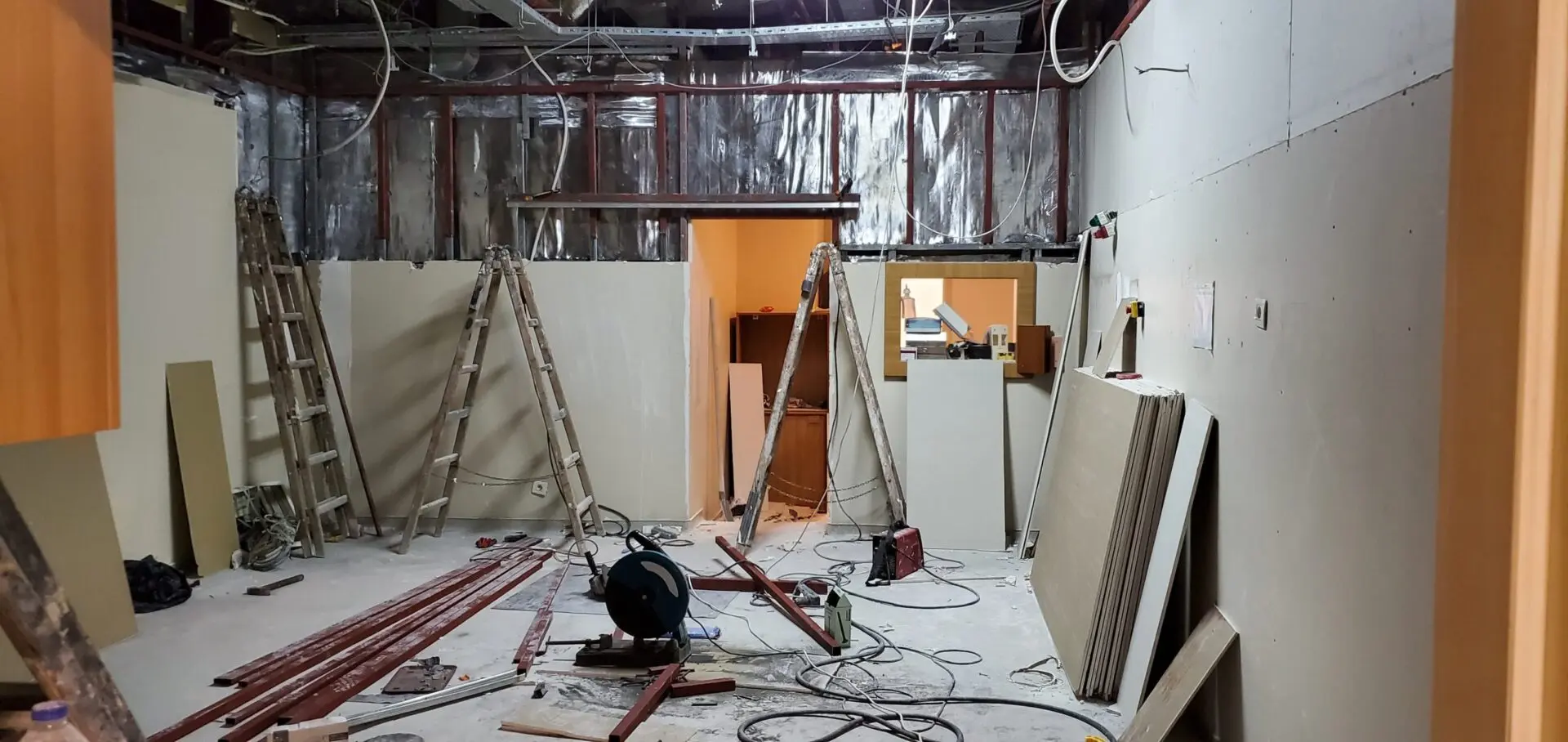
Radiation Shielding
Radiation shielding is one of the most critical elements in the design and preparation of a radiotherapy treatment facility.
Linear accelerators generate high-energy ionizing radiation during treatment. The treatment room must therefore be designed to limit radiation exposure in adjacent areas and protect patients, healthcare personnel, visitors, and the public.
Shielding requirements are not based on a single standard wall thickness. They depend on multiple parameters including the type and energy of the treatment equipment, expected clinical workload, beam orientation, room geometry, occupancy of surrounding areas, distance from the radiation source, construction materials, and applicable radiation protection regulations.
For this reason, shielding calculations and final radiation protection design should be performed or approved by appropriately qualified medical physics/radiation protection professionals in accordance with applicable regulations.
Shielding Planning May Include
- Evaluation of equipment type and maximum beam energy
- Clinical workload assessment
- Treatment room geometry
- Primary and secondary barrier evaluation
- Wall, floor, and ceiling shielding requirements
- Assessment of surrounding area occupancy
- Maze and entrance design
- Shielded treatment door requirements
- Evaluation of cable, ventilation, and service penetrations
- Radiation monitoring requirements
- Safety interlock requirements
- Coordination with medical physics and radiation protection professionals
- Support for shielding verification and acceptance processes
Concrete is commonly used as a primary structural shielding material in radiotherapy bunkers, while project-specific designs may require additional or alternative shielding materials.
The final shielding configuration must be determined according to project-specific radiation calculations rather than generic dimensions.
Integrated Site Preparation Approach
A radiotherapy room is not simply a room in which a treatment machine is installed. It is an integrated technical environment where structural engineering, radiation protection, electrical systems, HVAC, IT infrastructure, equipment installation, and clinical workflow must work together.
Our site preparation approach focuses on coordinating these requirements before installation begins.
Early technical planning can help reduce installation risks, prevent costly modifications, improve coordination between project stakeholders, and prepare the facility for equipment installation, testing, commissioning, and subsequent clinical use.