Medical Equipment Relocation & Logistics for Oncology and Radiotherapy Systems
The relocation of oncology and radiotherapy equipment requires far more than standard transportation.
Linear accelerators, CT simulators, imaging systems, and other specialized medical devices contain sensitive mechanical, electrical, electronic, and precision components. Their relocation therefore requires careful technical planning, controlled de-installation, specialized packing, secure transportation, and coordinated delivery to the new installation site.
Our Medical Equipment Relocation & Logistics services are designed to support healthcare facilities throughout the entire relocation process, from the initial planning stage to packing, transportation, delivery, and preparation for reinstallation.
The objective is to protect valuable medical equipment throughout the relocation process while reducing logistical risks, preventing unnecessary delays, and ensuring that all stages of the project are coordinated efficiently.
Medical Equipment Relocation
Relocating sophisticated oncology and radiotherapy equipment requires coordinated technical and logistical planning.
Before transportation begins, the equipment, installation environment, access routes, destination site, transportation requirements, and project schedule should be evaluated.
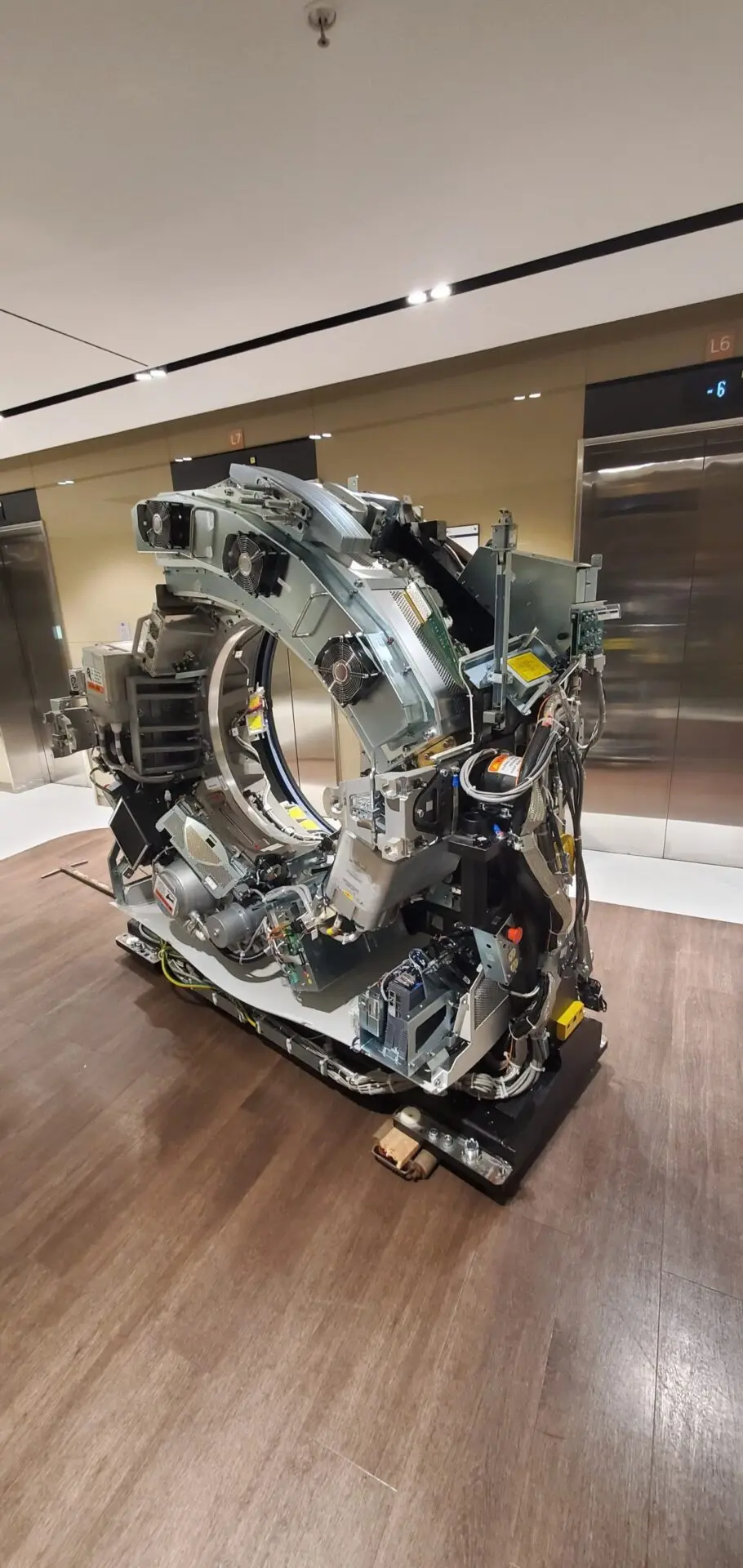
Depending on the equipment and project requirements, relocation services may include mechanical and electrical de-installation, dismantling of selected system components, preparation for transport, specialized packing, loading, transportation, unloading, positioning, and preparation for reinstallation.
Particular attention should be given to delicate components, heavy equipment modules, gantry systems, treatment tables, control systems, cabinets, imaging components, and other accessories associated with the main equipment.
Relocation Service Scope
- Relocation planning and coordination
- Equipment and site assessment
- Mechanical de-installation
- Electrical disconnection
- Controlled dismantling of equipment components
- Identification and organization of system components
- Preparation for packing and transportation
- Loading and unloading coordination
- Transportation to the destination facility
- Equipment positioning at the new location
- Preparation for reinstallation
- Coordination between technical and logistics teams
Proper planning helps maintain the integrity of the equipment and enables the relocation process to proceed in an organized and controlled manner.
Medical Equipment Packing
Specialized medical equipment requires packing methods designed to protect sensitive and high-value components during handling and transportation.
Standard commercial packaging methods may not provide sufficient protection for oncology and radiotherapy systems. Equipment components can be vulnerable to vibration, shock, moisture, movement, impact, and improper handling during transportation.
For this reason, packing should be planned according to the characteristics, dimensions, weight, sensitivity, and transportation requirements of each component.
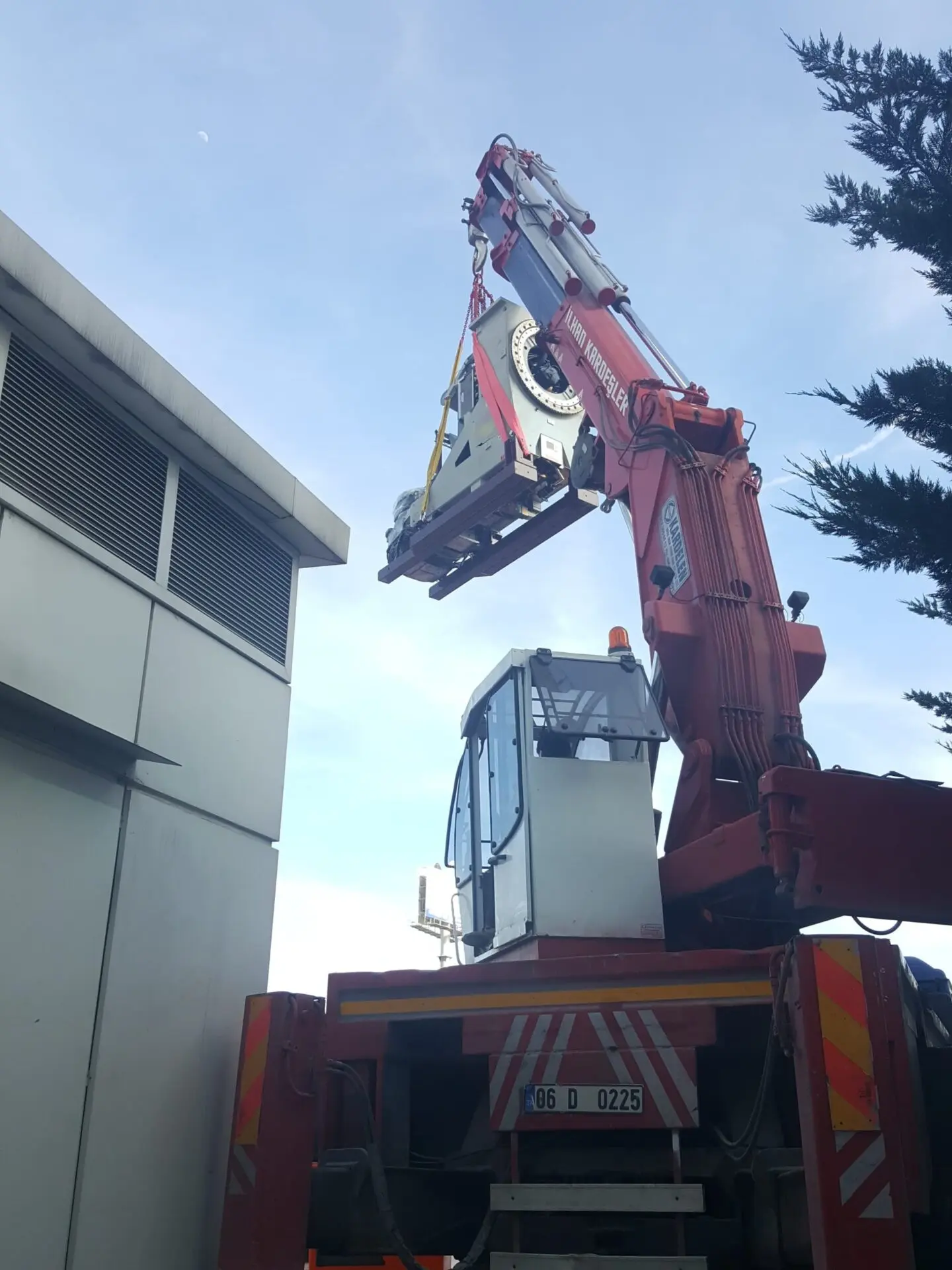
Depending on the equipment, specialized protective materials, reinforced packaging, customized crates, shock-resistant support systems, and component-specific packaging methods can be used.
Packing Process
- Identification of equipment components
- Assessment of component dimensions and weight
- Identification of sensitive and fragile parts
- Protection of electrical and electronic components
- Protection against shock and vibration
- Protective wrapping of equipment surfaces
- Securing of moving components
- Preparation of customized transport packaging
- Crating when required
- Component labeling and identification
- Preparation of accessories and cables
- Preparation for loading and transportation
Correct identification and labeling of components also helps simplify unloading, inventory control, and subsequent reinstallation at the destination site.
Medical Equipment Shipping
Transportation of high-value medical equipment requires secure logistics planning and appropriate transportation solutions.
Following de-installation and packing, equipment should be loaded, secured, and transported in a manner appropriate to its weight, dimensions, value, and technical characteristics.
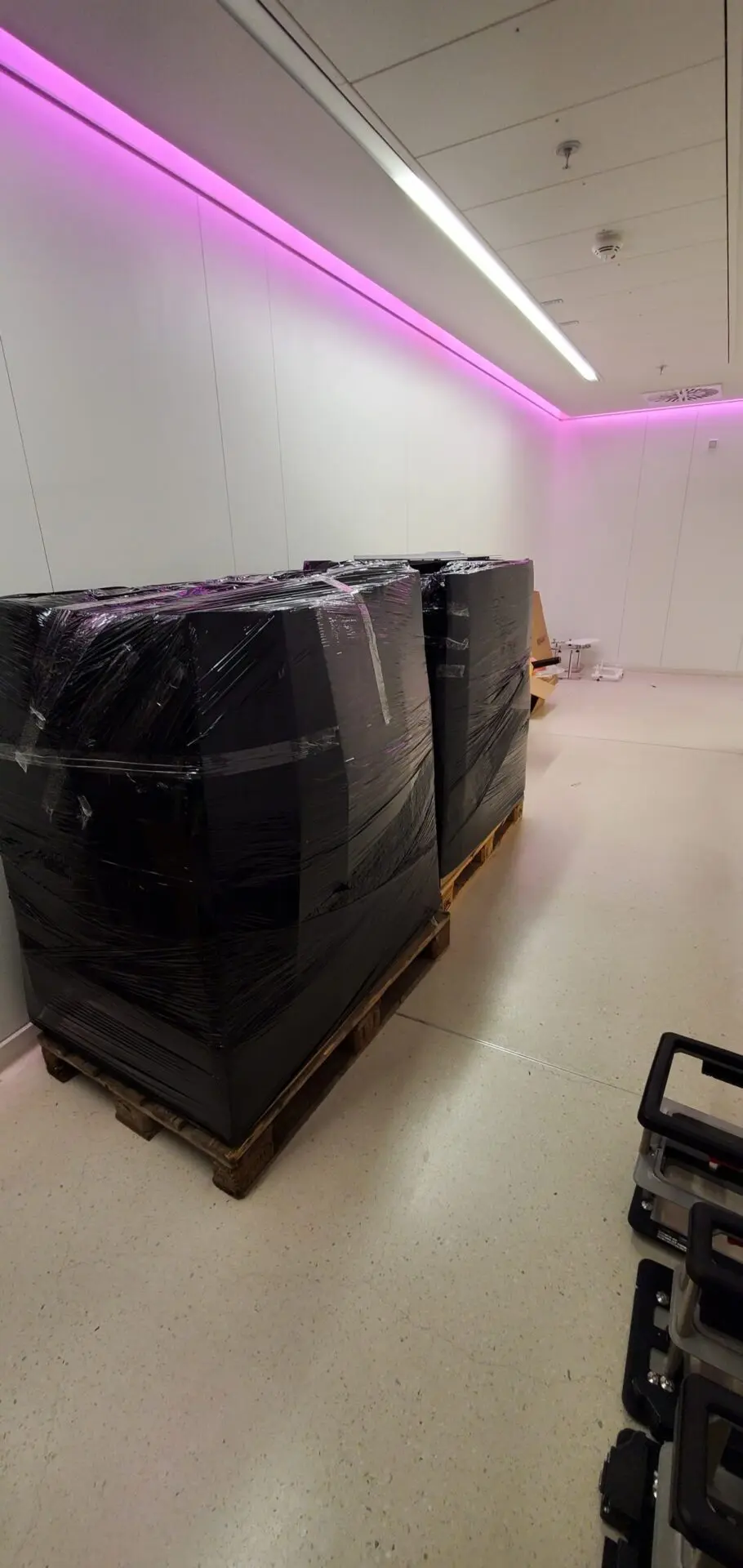
The transportation process may involve specialized vehicles, lifting and rigging equipment, controlled loading and unloading procedures, route planning, cargo securing, and insurance arrangements depending on the scope of the project.
Special attention should be given to large and sensitive components that cannot be handled using conventional transportation methods.
Shipping Service Scope
- Transportation planning
- Selection of suitable transport vehicles
- Specialized loading and unloading
- Cargo securing
- Heavy equipment handling coordination
- Route planning
- Transportation documentation
- Insurance coordination where required
- Delivery scheduling
- Destination-site coordination
- Controlled unloading
- Equipment delivery verification
The objective is to ensure that equipment reaches the destination safely and is ready for the next stage of installation or storage.
Medical Equipment International Relocation
International relocation of oncology and radiotherapy equipment introduces additional logistical requirements beyond domestic transportation.
In addition to technical de-installation, packing, and transportation, international projects may require coordination of export and import documentation, customs procedures, international freight, insurance, local transportation, destination-site access, and communication between multiple project stakeholders.
Equipment dimensions, weight, destination country, transportation method, customs requirements, and local regulations should therefore be evaluated during the planning stage.
Depending on the project, transportation can involve road freight, sea freight, air freight, or a combination of transportation methods.
International Relocation Scope
- International relocation planning
- Origin and destination site coordination
- Technical de-installation
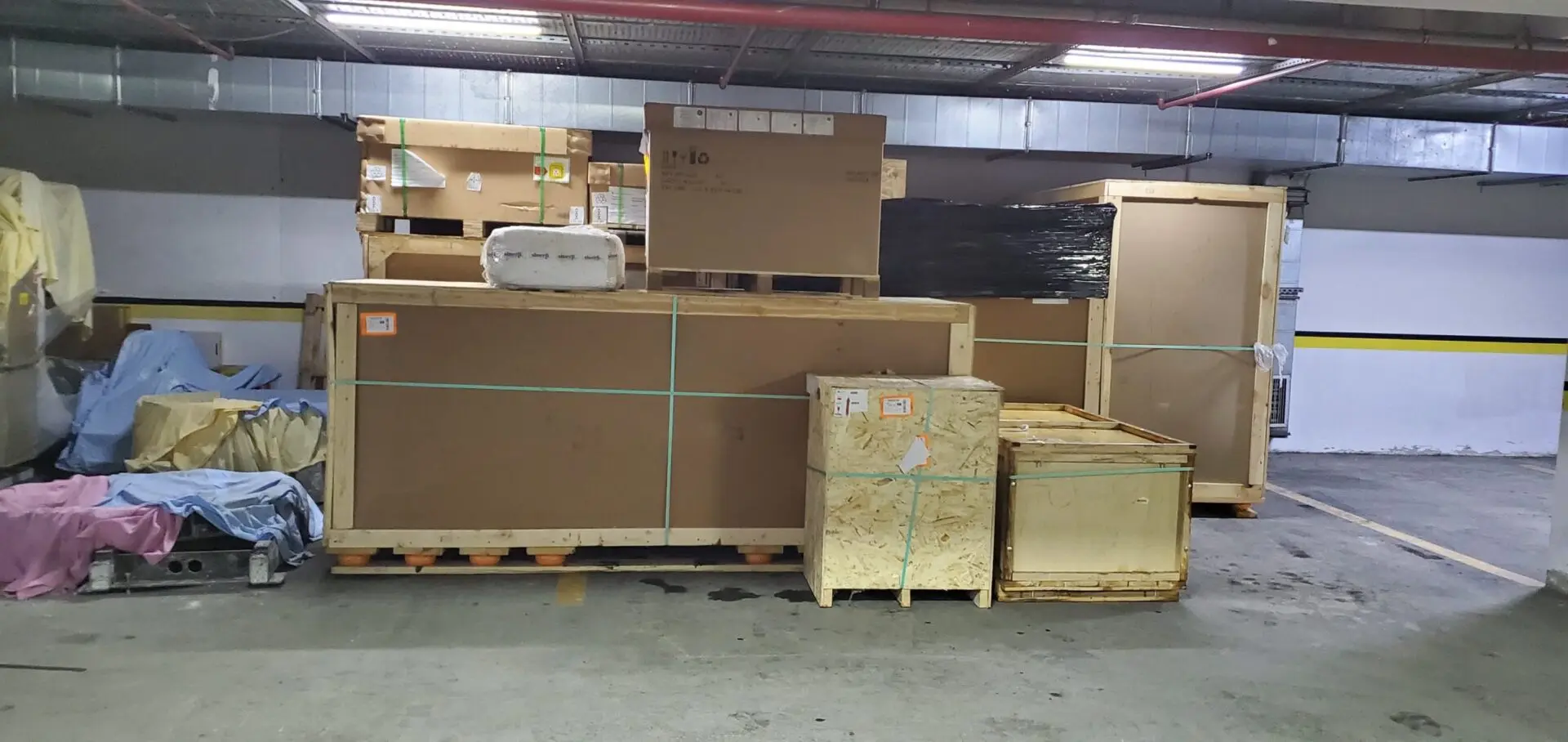
- Export packing and crating
- Preparation for international transportation
- Freight coordination
- Road, sea, or air transportation planning
- Export documentation support
- Import and customs coordination support
- Cargo insurance coordination
- International logistics tracking
- Destination delivery planning
- Local transportation coordination
- Controlled unloading
- Preparation for reinstallation at the destination facility
A coordinated approach between technical teams, logistics providers, freight companies, customs representatives, and the receiving healthcare facility can help reduce delays and improve the overall efficiency of international relocation projects.
End-to-End Relocation Coordination
Medical equipment relocation involves multiple interconnected stages.
A successful project therefore requires technical and logistical processes to be managed as part of a single coordinated workflow.
Typical Relocation Process
- Equipment and site assessment
- Relocation planning
- Mechanical and electrical de-installation
- Equipment component identification
- Specialized packing and crating
- Loading and cargo securing
- Domestic or international transportation
- Customs and logistics coordination where required
- Delivery to the destination facility
- Controlled unloading
- Equipment positioning
- Preparation for reinstallation
- Technical inspection before installation
This integrated approach helps protect equipment throughout the relocation process while improving communication between all parties involved.
Equipment We Support
Relocation and logistics services can be planned for various types of oncology, radiotherapy, and medical imaging equipment, including:
- Linear Accelerators
- CT Simulators
- CT Systems
- PET/CT Systems
- Oncology Imaging Systems
- Treatment Tables
- Control Systems
- Technical Cabinets
- Cooling and Supporting Equipment
- Associated Accessories and Sub-components
The exact relocation method is determined according to the technical characteristics and requirements of each system.